

Construction & Improvements
If you’ve been trying to figure out what your project actually involves, you’re in the right spot.




Planning & Management for All Types of Construction
We offer a range of services to meet the needs of every client.
Have something else in mind?
Understanding what your project will require, what to expect, and how to plan your next steps will greatly improve your home improvement experience.
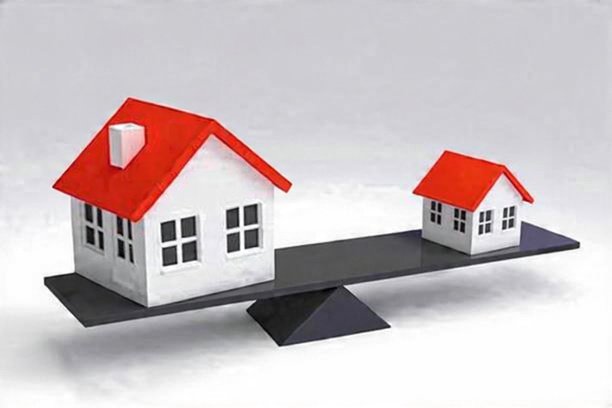
-
It’s hard to predict what you’ll find once walls are opened. Hidden problems can turn a small project big very quickly.
2. When utilities need to move
Relocating electrical, plumbing, or ventilation makes projects big because other parts must move with them. Keeping utilities where they are helps projects stay small.
-
3. Cosmetic vs. structural
Cosmetic updates keep projects small. Structural changes — opening walls, moving beams, altering foundations — make projects big.
4. When a room is converted to a new use
Changing how a room is used — like turning a bedroom into a bathroom — makes projects big because layouts and utilities change. Keeping the same room use keeps projects small.
5. When something looks simple on a plan but isn’t
Plans can make work look small, but experts see hidden steps that make projects big. Planning early helps keep expectations small and accurate.
6. When you plan your project early vs. make changes later
Planning your project up front keeps things small and efficient. Changing direction mid‑project adds delays and rework, making projects big.
7. When only a few people are needed vs. many
If only one or two types of work are involved, projects stay small. When many specialists are needed, projects get big.
8. When access is easy vs. tight
Open, easy‑to‑reach areas keep projects small. Tight spaces, stairs, and limited entry points slow work down and make projects big.
9. When you plan your timeline vs. rush it
Planning ahead keeps projects small and cost‑controlled. Rushed timelines require more labor or overlapping work, making projects big.
10. When your plans are clear vs. changing
Clear plans keep small projects small. Changing your plans mid‑project creates rework — the fastest way to make a small project big.
Is My Project Big or Small?
See how your project fits into factors that make some projects big — and others small.
FAQs About Home Improvements
-
In addition to foundations, framing, and other structural elements, moving or updating electrical, plumbing, or ventilation adds complexity because these utility systems are interconnected. When something is modified, related components often need to be rerouted or upgraded, which increases both labor and materials — and the same is true for things like limited access, material changes, unknown conditions, tight timelines, and projects that require more coordination.
Whenever a scope of work is generated or changes, that scope triggers extra steps, extra work, extra supervision, and extra risk, and that’s what makes a project more expensive.
-
Not always. Changing how a space is used often requires rethinking circulation, storage, lighting, and access. Those changes usually mean altering walls, utilities, or layout — and that’s what expands both the scope and the cost.
Plan ahead.
It’s always easier and less expensive to get everything right the first time around.
-
An ADU (accessory dwelling unit) is a separate, independent living space and includes attached and detached units, garage conversions, backyard cottages, and JADU (Junior ADU).
Cost-wise, attached ADUs usually fall between major remodels and new construction in cost and complexity, while detached ADUs are new construction or conversions on a smaller scale and follow the same rules as building a small home.
JADUs are at the smaller end of the hierarchy because they typically repurpose existing space.
Garage conversions and backyard cottages fall in the middle of the cost range, depending on if structural elements are needed to rebuild.
What makes an ADU different from an addition is the purpose; ADUs are meant to be a fully independent living unit, not just extra space within the main house.
-
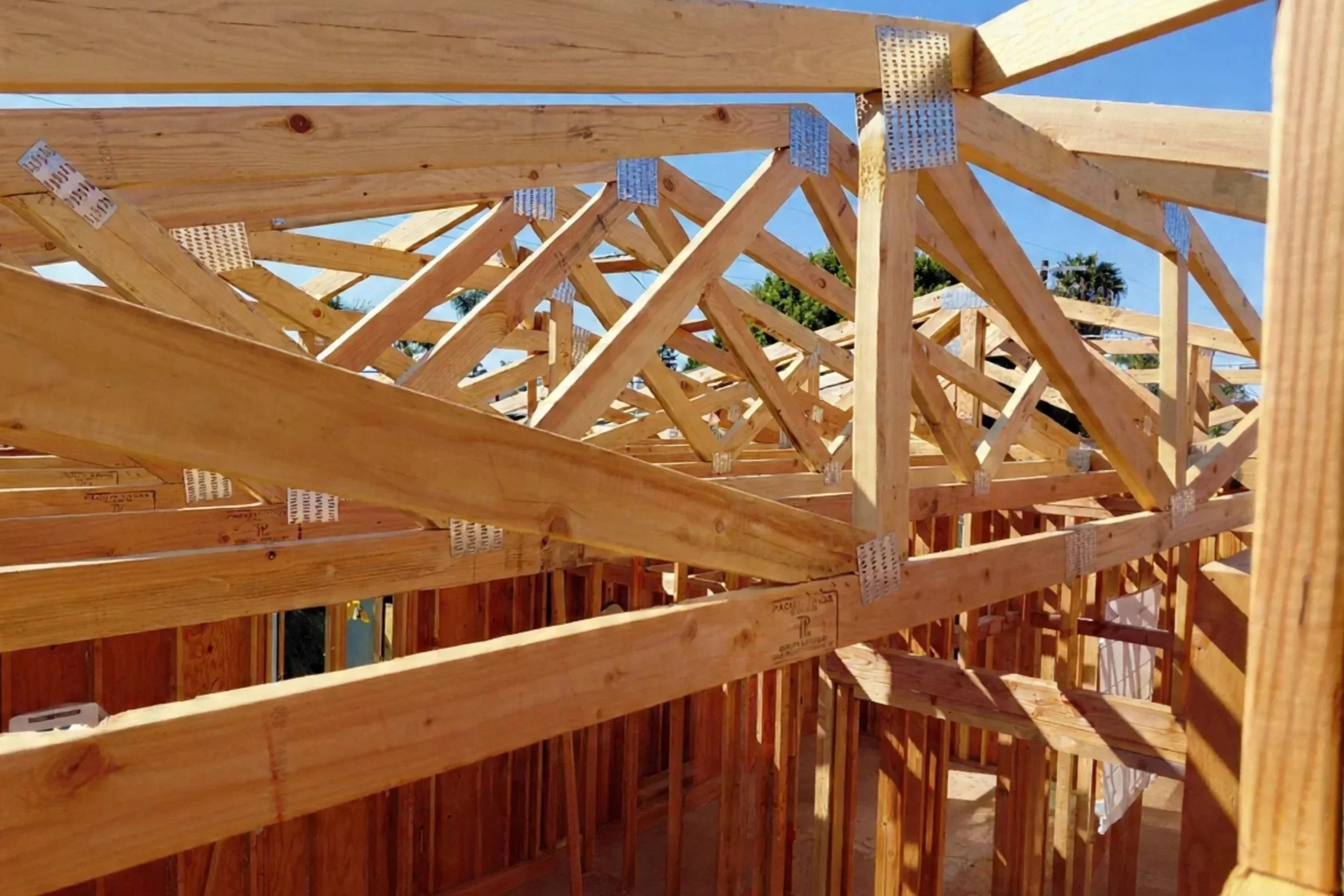
New construction refers to new structures being constructed starting from the foundation, including new homes, tear‑downs, and detached ADUs (that require similar scopes of work as an average family-sized home, typically on a smaller scale).
-
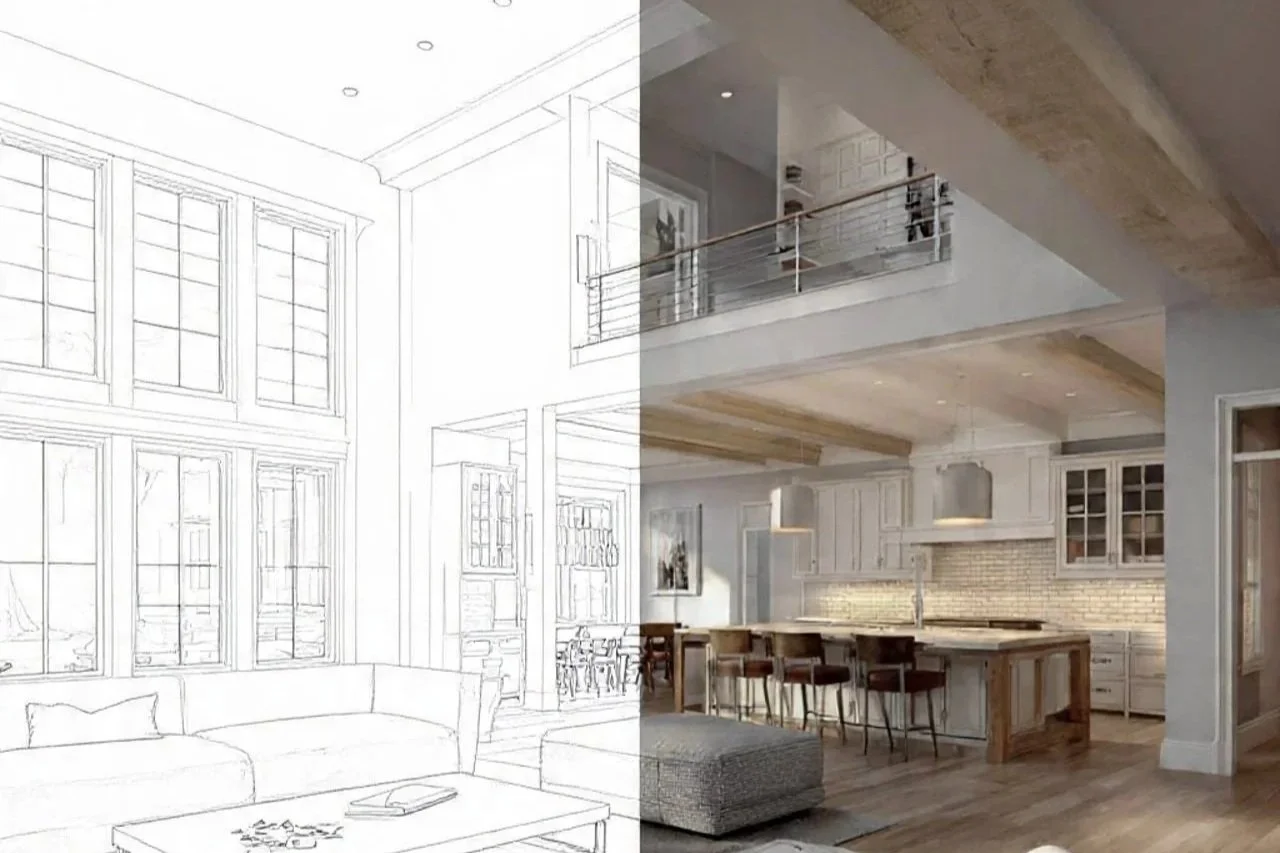
Plans are basically the instructions everyone uses to build the same thing. Without illustrations, every person on the project is guessing — and guessing is expensive.
Here’s the simple breakdown:
1. Plans show what you actually want.
If you don’t show it, people fill in the blanks their own way. That leads to mistakes, re‑doing work, and someone paying for things you didn’t want.
2. Plans help crews work faster.
When workers know exactly where things go, they don’t repeatedly stop to ask questions or wait for decisions. Less confusion = fewer hours = lower labor costs.
3. Plans prevent “surprise charges.”
Most surprise costs happen because something wasn’t clear. Plans make everything clear upfront, so you’re not paying extra later.
4. Plans prevent change orders.
Plans keep you and everyone else on the same page. You, the contractor, the electrician, the plumber — everyone uses the same drawing for instructions. That means fewer mix‑ups and fewer “I thought you meant…” moments.
5. Plans help you compare bids fairly.
If every contractor is bidding on the same plan, you can actually compare apples to apples. Without plans, each contractor imagines a different project — and the prices are all over the place.
6. Plans protect you if something goes wrong.
If the work doesn’t match the plan, you have proof. It’s your backup, your receipt, your “this is what we agreed to” evidence.
7. Plans make permits smoother.
Cities usually require plan sets and want to see what you’re building. But even for small projects, it’s a good practice to have and distribute plans or illustrations to reduce corrections, delays, and headaches.
-
Depending on the scope and size of your project, your local building and safety department determines whether building permits are required. Cities want to see what you’re building to determine how your improvements will affect the habitability and safety of the home.
-
Once you’re a member, you’ll receive a brief welcome email to help you get oriented. You can sign in and get immediate access to your planning tools, along with simple ways to understand what to expect and keep your projects manageable. Whenever you’re ready, you can chat with an advisor and share your priorities and expectations. From there, we help you understand what’s realistic, what’s urgent, and what can wait — so you can move forward at the pace that works best for you.
-
We manage the process so any qualified contractor—including yours—has access to the resources needed to complete any portion of the work.
-
You’re the boss, but you’re not managing the project — and you’re definitely not getting your hands dirty. Here’s how it works: you place your order, and we deliver. It’s like a restaurant: you decide what you want, but you’d never be expected to walk into the kitchen and cook your own meal. Same idea here. You make the key decisions, and we handle the day‑to‑day.
-
Structural work is considered anything that is used to support any part of a building involving beams, columns, load‑bearing walls, or foundations requires engineering, calculations, and inspections.
Structural work and structural changes also affect how other parts of the home connect, which adds complexity and labor.
-
Yes. If crews have to move equipment and materials into locations that are not easily accessible (tight spaces, upper floors, narrow hallways, or limited entry points), everything takes longer. Slower work means less efficiency, more labor hours, which increases cost.
-
All material choices matter. Different materials come with different price points, installation methods, and lead times. Upgrading finishes or choosing specialty products can raise costs, while simpler materials can keep things more affordable.
-
Planning. Every project has its own sequence based on the scope and the trades involved, so we map the order of work before anything begins. That’s why a good plan matters.
-
A shorter timeline means crews have to rearrange their schedules, prioritize your project over others, and work in tighter coordination. Accelerating the work often requires overtime, larger crews, or shifting resources, which increases the overall cost. Planning ahead helps you avoid paying a premium for speed.
-
An undefined scope is when decisions aren’t fully clarified and documented in a contract or shared understanding. The plan is vague or undefined and causes confusion, making crews have to pause, redo work, or adjust plans. Those changes add time, materials, and labor — which increases the overall cost.
-
Yes. You can schedule planning sessions without a membership. However, membership is required to access our planning tools used to plan and manage your projects.


Our Process
Plan | Manage | Enhance | Support
-
We begin by shaping your project from the start, making sure the essentials are included and clear before any work begins. Our modular planning approach develops your project in organized blocks, reducing the risk of change orders and keeping decisions manageable. We develop your project requirements in a manner that gives you exactly what you want — and understand the essentials, the extras, the cost‑versus‑benefit trade‑offs, the sequencing, and the choices that matter most.
-
We manage the day‑to‑day process so you don’t have to. You place your order, and we take care of the coordination, timing, and communication that keep the project moving. We direct, coordinate with contractors, promote buy-in, dedication, and quality, but we don’t manage contractors or supervise their crews. With our process, the work stays on track and homeowners stay out of the chaos. Homeowners get a better experience, higher quality, and lower costs.
-
We enhance the experience by providing the expertise and tools that make the process easier to navigate and more efficient from the start. Our involvement helps prevent unnecessary waste, reduce avoidable expenses, and keep the work aligned with your goals. Members get clarity when things feel uncertain, guidance when decisions matter, and a steady partner who helps them move through the project with assurance and confidence.
-
We support the work from start to finish by giving you the planning, structure, clarity, and steady partnership that keeps everything moving smoothly. Members get help staying organized, reviewing information, troubleshooting issues, and preventing small problems from becoming expensive ones. When questions come up — and they always do — you have someone who understands the details and helps you respond quickly, confidently, and in a way that protects your goals.

Did you know…
Most homeowners choose a contractor based on a neighbor referral without comparing plans — and many later report they didn’t realize how different the options actually were.
What homeowners say afterward:
They didn’t see how much plans, pricing, or scope can vary.
They wish they had reviewed more than one option before committing.
Regret shows up most often on larger, more complex projects.
Would You Rather?

Experience the Transformation
Before
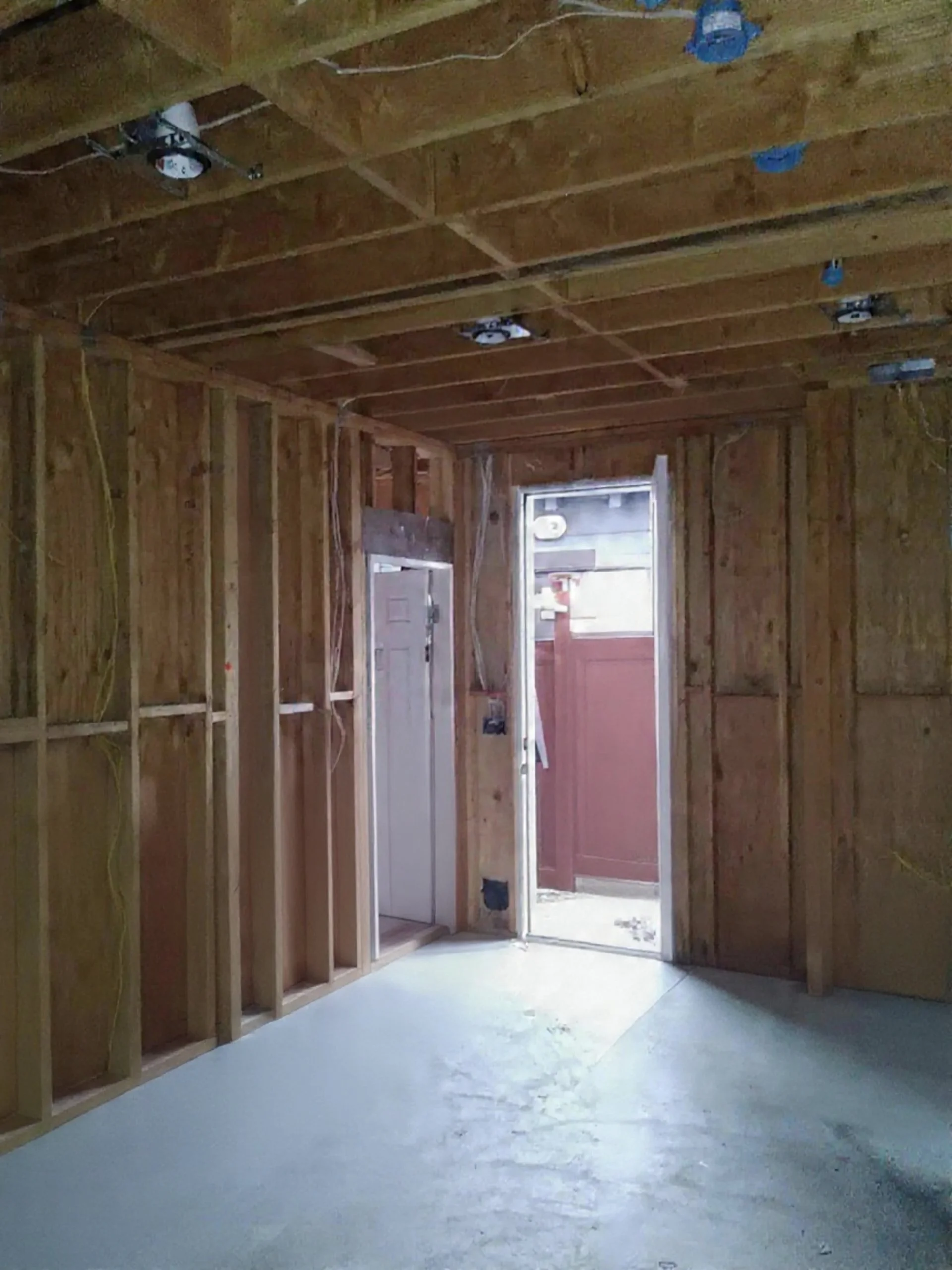
After